
Neurology
Neurology Clinic in Abu Dhabi, Al Ain and New Al Falah City
ACPN's Neurology department provides expert diagnosis and treatment for disorders of the brain, spinal cord, and nervous system. Our neurologists use advanced diagnostic tools and evidence-based approaches to help manage your neurological health.
Conditions We Treat
Comprehensive evaluation and management of a wide range of neurological conditions.
Epilepsy & Seizures
Diagnostic evaluation and management of epileptic and non-epileptic seizures
Headaches & Migraines
Chronic migraines, tension headaches, cluster headaches, and other headache disorders
Movement Disorders
Parkinson's disease, essential tremor, dystonia, and other movement disorders
Stroke & Cerebrovascular
Post-stroke care, TIA evaluation, and cerebrovascular disease management
Peripheral Neuropathy
Nerve damage, numbness, tingling, and pain in extremities
Multiple Sclerosis
Diagnosis, treatment, and long-term management of MS and demyelinating diseases
Neurodegenerative Diseases
Alzheimer's, dementia, and other progressive neurological conditions
Sleep Disorders
Narcolepsy, insomnia with neurological cause, and sleep-related movement disorders
Neuromuscular Disorders
Myasthenia gravis, muscular dystrophy, and motor neuron diseases
Our team of experienced consultant neurologists provides comprehensive care for patients of all ages with neurological conditions. From initial assessment through ongoing management, we work closely with psychiatrists and rehabilitation specialists to ensure holistic, multidisciplinary care.
We offer advanced neurodiagnostic services including EEG (electroencephalography), nerve conduction studies, and EMG (electromyography). Our neurologists specialize in treating epilepsy, headaches and migraines, movement disorders, stroke, peripheral neuropathy, multiple sclerosis, and neurodegenerative conditions.
Neurology Clinic in Abu Dhabi, Al Ain and New Al Falah City
ACPN’s Neurology Clinic is among the leading centers in the UAE providing diagnostic evaluation, treatment and management for a wide range of conditions related to the nervous system. Our neurologists have extensive experience in this field treating complex neurological and neuromuscular disorders. Our team ensures you receive comprehensive and personalized care through interdepartmental collaboration with leading consultants from different specialties.
Our neurologists address disorders, diseases and injuries that affect the nervous system, including:
- The central nervous system, which consists of the brain and spinal cord.
- The peripheral nervous; the nerves that extend from the spinal cord to the head, abdomen, and limbs.
Neurological disorders impact the body’s ability to function properly, causing symptoms that range from headache and memory problems to the lack of sensation or control in the limbs. Neurologists aim to diagnose the underlying problem causing neurological symptoms and then managing that problem to reduce its impact on the patient’s quality of life. Our team is composed of neurologists specialized in treating adults and children.
Seeing a Neurologist
Consider visiting a neurologist for one or more of these conditions:
Sometimes, the identification of slight symptoms can lead to a diagnosis of serious conditions such as brain tumors, multiple sclerosis, acute facial pain, Parkinson’s disease, and epilepsy.
Our neurologists develop personalized treatment plans that include medicine regime and a rehabilitation program to help you enjoy the best quality of life possible.
Treatment Offered For
- Chronic Pain
- Dementia including Alzheimer’s disease
- Amyotrophic Lateral Sclerosis (ALS)
Services Offered
Electroencephalogram (EEG)
An EEG records brain activity. During the procedure, electrodes with small metal discs with thin wires are pasted onto the scalp. The electrodes detect tiny electrical charges that result from the activity of brain cells. The charges are amplified and appear as a graph on a computer screen. Patients are then exposed to a variety of external stimuli, such as bright or flashing lights or noises. The patient is asked to open and close his or her eyes, or breathe deeply for a few minutes. The electrodes transmit the resulting changes in brain wave patterns. Since movement and nervousness can change brain wave patterns, patients usually recline in a chair or on a bed during the test. This test can take one hour or more depending on the doctor’s order. An EEG is a pain-free procedure.
An EEG helps diagnose epilepsy and may also be helpful in diagnosing other brain disorders such as brain damage related to head injuries, inflammation of the brain, and metabolic and degenerative disorders. It is also used to confirm brain death in patients on life support.
Nerve Conduction Studies (NCS) | Electromyography (EMG)
Nerve Conduction Studies include measurement of the speed of conduction of an electrical impulse through a nerve. In this test, several flat metal disc electrodes are attached to the skin with tape or a paste. A shock-emitting electrode is placed directly over the nerve area, and a recording electrode is placed over the muscles controlled by that nerve. Several quick electrical pulses are given to the nerve, and the time it takes for the muscle to contract in response to the electrical pulse is recorded. The same nerves on the other side of the body may be studied for comparison. If the nerve is a sensation nerve then the signal would be traced in another point along its course.
NCS may take from 15 minutes to 1 hour or more, depending on how many nerves and muscles are studied. This study can determine if a nerve is functioning normally. This test is used to determine more about the functioning of peripheral nerves in the arms and legs. It can show if a nerve is pinched, and estimate the severity and site of the injury.
Muscles receive constant electrical signals from properly functioning nerves, and in turn they broadcast their own electrical signals. During an EMG, the electrical activity in muscles is measured. NCS is done by a technician with specialized training in neurophysiology, while EMG is performed by a neurologist who reads both parts and issue a report. In EMG, the neurologist places a very thin needle into few muscles, one after another, to record the electrical signals from the muscles under study. If a muscle is not receiving adequate impulses from its nerve, it broadcasts signals that indicate the muscle is malfunctioning. The results of EMG are often correlated with the results from the NCS. This test takes 15 to 30 minutes to complete, depending on how many areas are being studied.
NCS and EMG are often done together as they complement each other.
Evoked Potentials
Evoked potential studies measure electrical activity in the brain in response to stimulation of sight, sound, or touch. Stimuli delivered to the brain through each of these senses evoke minute electrical signals. These signals travel along the nerves and in case of touch through the spinal cord to specific regions of the brain and are picked up by electrodes, amplified, and displayed for a doctor to interpret.
Somatosensory Evoked Potential (SSEP) – This test can detect problems with the spinal cord. For this test, electrodes are attached to the wrist, the back of the knee, or other locations. A mild electrical stimulus is applied through the electrodes. Electrodes on the scalp then determine the amount of time it takes for the current to travel along the nerves and spinal cord to the sensation centers in brain.
- Visual Evoked Potential (VEP) – this test can diagnose problems with the optic nerves that affect sight. Electrodes are placed along the scalp and the electrical signals are recorded as you watch a checkerboard pattern flash for several minutes on a screen.
- Auditory Brainstem Response (ABR) – This test can diagnose hearing ability and can point to possible brainstem tumors or multiple sclerosis. Electrodes are placed on the scalp and earlobes. Auditory stimuli, such as clicking noises and tones, are delivered to one ear after another.
Sleep Studies
ACPN specializes in the evaluation of different sleep disorders including obstructive sleep apnea, insomnia, parasomnias, and sleep-related movement disorders, such as restless legs syndrome, excessive sleepiness, and narcolepsy.
Continuous Positive Airway Pressure (CPAP) titration study determines the proper settings for CPAP therapy if the diagnosis of obstructive sleep apnea was made. The CPAP titration study is essentially the same as the polysomnogram with the addition of the CPAP therapy. CPAP is a device used to treat obstructive sleep apnea, where repeated episodes of stoppage of airflow caused by collapse and closure of the airway at the level of the pharynx occur. The concept of CPAP is to increase the pressure of the air that you breathe during sleep. Then, the inspired air, under pressure, acts as a splint and holds the airway open. CPAP is an extremely effective method of treating sleep apnea. The CPAP device consists of a mask, usually put on nose, connected by tubing to a small air compressor that sits at the bedside. The tubing is long enough to allow you to move around or turn over in your bed. The machine does not breathe for you; it just changes the pressure of the air that you breathe. It keeps the airway open during the night by gently providing a constant stream of air through a mask you wear while asleep. The CPAP mask may cover only your nose or both your nose and mouth. Another option is to use nasal pillows, which fit in your nostrils. No matter what type of mask you use, it is important that it fits well and is comfortable. The mask must make a seal to keep your airway open through the night. A good mask seal will prevent air leaks and maintain the right level of air pressure. Your sleep doctor will determine the amount of air pressure needed for CPAP to treat your sleep apnea.
Multiple sleep latency tests (MSLT) measure how long it takes to fall asleep. MSLT is a series of nap opportunities throughout the day. The test is most often used to determine if narcolepsy is present and provide a measure of sleepiness for patients experiencing excessive daytime sleepiness. This procedure is like PSG and is most often performed the day following a PSG. A technologist applies sensors and electrodes that will help determine sleep and wakefulness. Nap opportunities, total of 4 or 5 naps throughout the day, will be at two-hour intervals.
Polysomnography (PSG) is a test done overnight while patient is asleep. It can be done at our center or in the patient’s house. The goal is to record brain and body activity that occurs during sleep so that sleep disorders can be diagnosed and treated. During a sleep study, the following may be measured
Frequently Asked Questions
Common questions about our Neurology services.
Our Neurologists
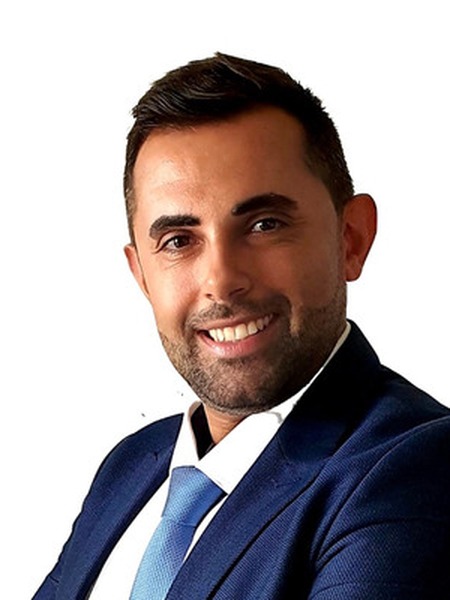
Dr. Chadi Al Alam
Specialist Pediatric Neurologist
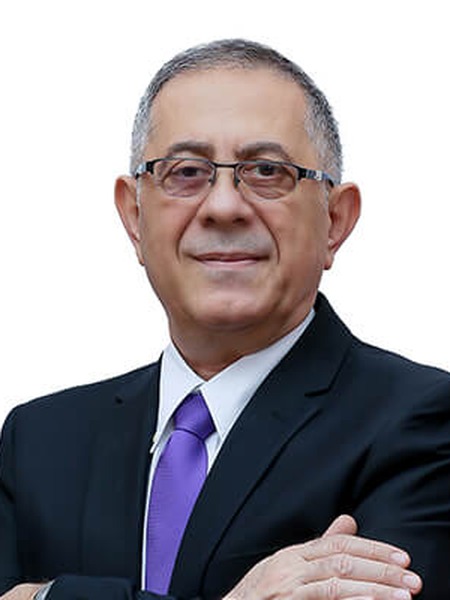
Dr. Khaled Hamoulila
Consultant Neurologist
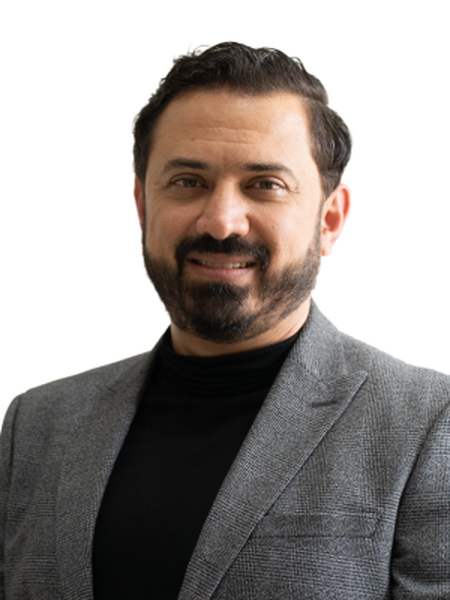
Dr. Mohammed Magid Hussein Saidam
Consultant Neurologist
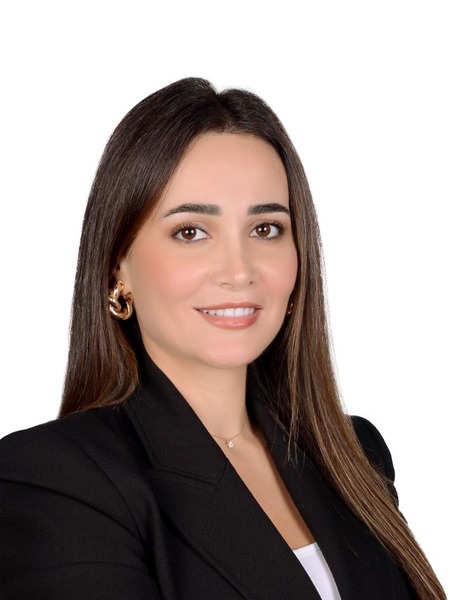
Dr. Ola Safi
Specialist Pediatric Neurologist
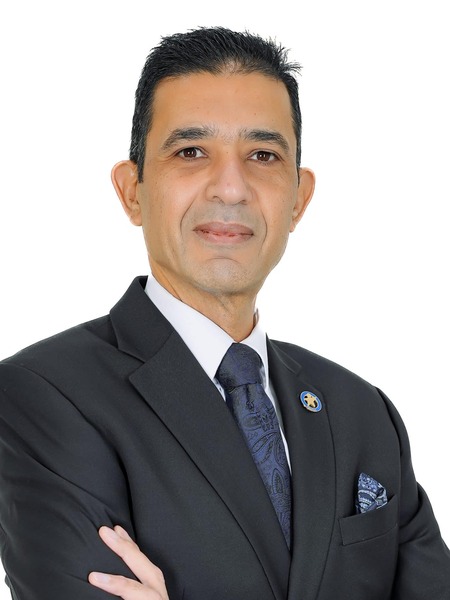
Dr. Tamer Rizk
Consultant Pediatric Neurologist
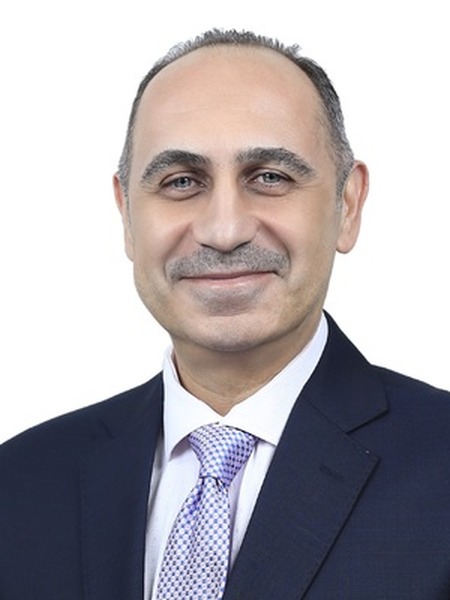
Dr. Taoufik Alsaadi
Consultant Neurologist, Chief Medical Officer
Available at These Locations
Neurology services are offered across our UAE clinics.
Explore Our Other Services
ACPN offers a comprehensive range of mental health and neurological services.
Ready to Take the First Step?
Our experienced team is here to help. Schedule a consultation today.
Beyond Mental Health
Welcome to American Center for Psychiatry and Neurology (ACPN), where mental health and wellbeing is our priority. ACPN is a subspecialist medical facility that provides you with quality medical care in neurology and psychiatry in the UAE.
Opening our doors to patients in 2008, we have since expanded our facilities from Abu Dhabi to Dubai and Al Ain. Our services have touched the lives of over 140,000 patients throughout the years — a milestone built on your trust as our foundation.
JCI Accredited
Gold Seal of Approval
Aviation Certified
GCAA Approved
140,000+ Patients
Trusted across the UAE
Evidence-Based
Latest treatment methods

18+
Years of Excellence
6
Branches Across UAE

Empowering Your Mental Strength
Our team of highly qualified specialists trained in the US and Europe are committed to providing comprehensive, compassionate care using the latest evidence-based treatment methods.